Cost of Living in the Philippines 2026 — Monthly Budget Guide
How much do you actually need to live comfortably in the Philippines? It’s the question everyone asks, and the answer depends entirely on the lifestyle you want. Here’s a proper breakdown.
The Short Answer
- Frugal: ₱25,000–35,000/month ($440–615)
- Comfortable: ₱50,000–80,000/month ($880–1,405)
- Expat lifestyle: ₱100,000–150,000+ ($1,755–2,630+)
That covers rent, food, utilities, transport, and fun money. Read on for the details.
Rent by City
Where you live makes a massive difference. Here’s what you’re looking at for a decent 1-bedroom apartment:
| City | Monthly Rent (PHP) | Monthly Rent (USD) |
|---|---|---|
| Manila | ₱25,000–40,000 | $440–710 |
| Cebu City | ₱15,000–25,000 | $265–440 |
| Davao | ₱12,000–20,000 | $210–350 |
| Bacolod | ₱10,000–18,000 | $175–315 |
Manila’s the most expensive — no surprise there. If you want city life without the Manila price tag, Cebu’s a solid middle ground. Davao and Bacolod are the bargains, and both have decent infrastructure and expat communities.
Rent’s gone up 5–10% year-over-year in the popular areas, so factor that in if you’re negotiating.
Utilities
Here’s what you’re spending on the basics:
- Electricity: ₱3,000–6,000/month ($53–105) — bit higher in 2026 thanks to rate increases
- Water: ₱500–900/month ($9–16)
- Internet (fiber): ₱1,000–1,700/month ($18–30)
- Total: ₱6,000–8,000/month ($103–138)
Air conditioning is the big electricity driver. If you’re comfortable with fans and open windows, you’ll be at the lower end. Running AC all day? Budget for the higher end.
Food Costs
This is where the Philippines really shines. Eating well doesn’t have to cost much:
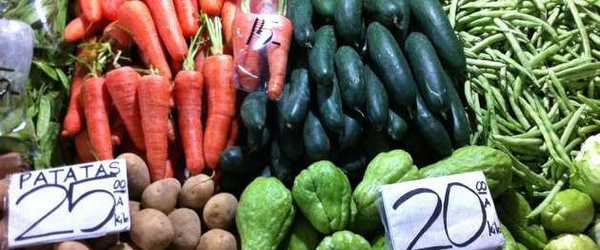
- Local markets: Very affordable. Rice runs ₱40–60 per kilo, chicken ₱140–180 per kilo, fresh vegetables are cheap as chips.
- Supermarkets: 30–100% more expensive for imported goods. That cheddar cheese costs a premium.
- Comfortable grocery budget: ₱15,000–20,000/month
If you’re happy eating like a local, you’ll spend far less. Imported foods and Western brands are the budget killers.
Transportation
- Jeepney: ₱12–25 per ride
- Tricycle: ₱20–50 for short trips
- Grab: ₱150–300 within the city
- Motorbike fuel: around ₱1,200/month (if you go down the motorbike ownership route)
Most expats use a mix — jeepneys and tricycles for short hops, Grab when you can’t be bothered. Worth noting: you don’t need a car here. Motorbikes are everywhere and much more practical.
The Three Budgets
Frugal: ₱25,000–35,000 ($440–615)
Possible, but tight. You’re likely looking at a smaller place, eating locally, and relying on public transport. Not miserable by any means — many Filipinos live on less — but you won’t have much margin for unexpected costs or luxuries.
Comfortable: ₱50,000–80,000 ($880–1,405)
This is where most expats land. A decent 1-bedroom, regular groceries, internet, some restaurant meals, Grab rides when you need them. You can travel a bit, have a helper occasionally, not think too hard about the bill.
Expat Lifestyle: ₱100,000–150,000+ ($1,755–2,630+)
This gets you a nice place (maybe a house with a pool), imported groceries, a car or motorbike, regular nights out, travel within the Philippines. You’re living well by any standard.
2026 Updates to Factor In
- Electricity costs went up in February 2026 — transmission charges increased
- Rent is still climbing in tourist-heavy areas (Bohol and Panglao have seen significant increases)
- Everything else has been relatively stable, though imported goods keep getting pricier
The Bottom Line
You can live comfortably in the Philippines on far less than you’d spend in the UK, US, or Australia. ₱50,000–80,000 a month gets you a solid lifestyle without stress. If you’re budget-conscious, ₱35,000 is doable. And if you want to live large, there’s no upper limit.
The key is location — Manila will eat your budget, while Bacolod or Davao leave you plenty of room to breathe.
This article was last updated March 2026. Costs are indicative and will vary based on location, lifestyle, and season.