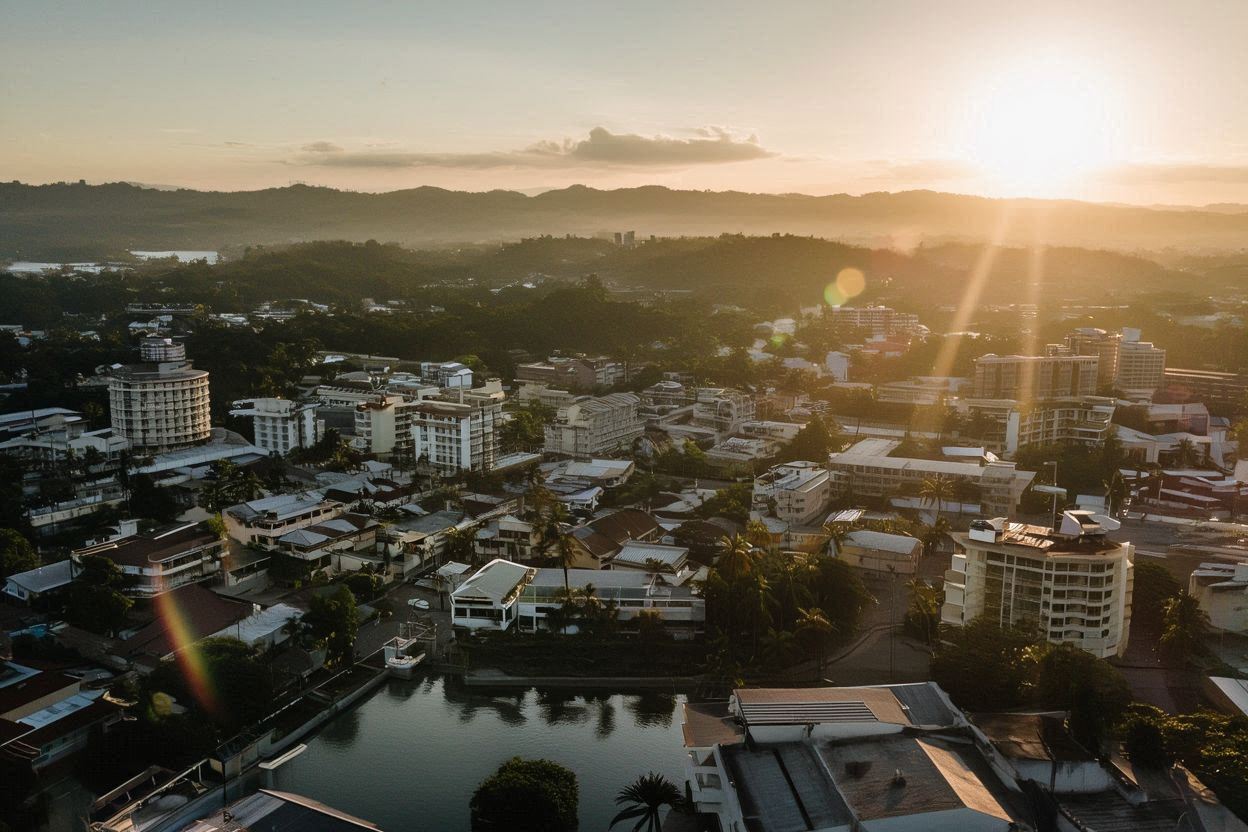
TL;DR: Cebu gets all the attention, but Bacolod is the smarter choice for retirees who want real Philippines life without the tourist markup. Rent runs ₱10,000-18,000/month in Bacolod versus ₱15,000-25,000 in Cebu. Monthly COL is $600-800 in Bacolod versus $838-1,000 in Cebu. Cebu wins on infrastructure and healthcare specialists, but Bacolod wins on cost and quality of life. Read on before you make a decision that could affect your entire retirement.
Every expat forum worth its salt has the same thread. “Where should I retire — Cebu or Bacolod?” And the answers are always the same: Cebu, Cebu, Cebu. Someone mentions Davao. A wild card suggests Palawan. But rarely, rarely, does anyone make the case for Bacolod.
I’m here to do exactly that.
I’ve spent years watching expats land in Cebu, blow through their savings on city prices, and then wonder why their “affordable retirement” feels less like paradise and more like a budget stretch. Meanwhile, Bacolod sits just across the strait — cheaper, quieter, and frankly, more real. Here’s why you should take a harder look at Negros.
The Money Reality
Let’s start with the thing that matters most: what you’re actually going to spend.
Rent in Bacolod runs around ₱10,000-18,000/month ($175-315 USD) for a decent place. A nice condo in the city center, maybe with a view of the mountain? You’re looking at the upper end of that range, but you’re still far below what Cebu charges.
Rent in Cebu starts at ₱15,000/month ($265 USD) and easily climbs to ₱25,000+ ($440 USD) for anything half-decent in the expat-friendly areas. IT Park? Expect to pay premium. Mango Square? Same story.
The gap doesn’t stop at rent. Food is cheaper in Bacolod. Utilities are cheaper. Transportation is cheaper. A jeepney ride in Bacolod costs less than its Cebu equivalent, and the routes are simpler. Your monthly budget in Bacolod can comfortably sit at $600-800. In Cebu? You’re looking at $838-1,000 minimum if you want to live like a local and not count every peso.
If you’re on a fixed pension, that $200-400 difference every month adds up to thousands per year. That’s a plane ticket home. That’s a new laptop. That’s several months of extra health insurance.
What You Trade Off
I’m not going to sit here and tell you Bacolod is perfect. It’s not. Here’s what you give up:
Infrastructure: Cebu has better roads, more shopping malls, more direct flights (both international and domestic), and a bigger expat community. If you need to travel frequently or want the comfort of familiar chains, Cebu delivers.
Healthcare specialists: For serious medical issues, Cebu’s hospitals have more specialists and better-equipped facilities. Bacolod’s healthcare is adequate for routine stuff, but if you need a specific specialist, you might find yourself on a plane.
International schools: If you have kids, Cebu has more options for English-language education. Bacolod has schools, but fewer international choices.
The expat social scene: Cebu has more bars, more restaurants, more meetups, more everything. If you want to be around lots of other expats, Cebu is easier.
What You Gain
Now here’s what Bacolod gives you instead:
Actual Philippines life: In Bacolod, you’re not living in an expat bubble. You’re in a real Filipino city with real Filipino neighbors. The language is everywhere. The culture is immersion, not performance.
Less traffic: I cannot stress this enough. Cebu’s traffic is infamous. Bacolod’s traffic is manageable. This matters more than you think when you’re 60 and just want to get from point A to point B without losing an hour of your day.
The food scene: Bacolod is known for chicken inasal, and the local version is better than anywhere else in the Philippines. But it’s not just about the famous stuff — everyday food is cheaper, fresher, and more consistently good than what you’ll find in Cebu’s tourist areas.
Climate: Bacolod is in the western Visayas, which generally gets less typhoon activity than Cebu. It’s not immune — nothing in the Philippines is — but you’re in a slightly safer zone.
The community feel: Bacolod has a smaller expat community, which means people actually know each other. There’s less of the transactional “networking” vibe that can characterize larger expat scenes.
The Verdict
Here’s my take: Cebu is the easy choice. It’s popular for a reason — it’s connected, it’s established, and it feels safe to people who are still figuring out the Philippines.
Bacolod requires a bit more willingness to adapt. You won’t find as many English speakers outside the city center. You’ll need to be more comfortable navigating systems that aren’t set up for foreigners. The expat community is smaller, so making friends takes more effort.
But if you want to actually live in the Philippines rather than just visit it for two years before moving on, Bacolod makes more sense. The cost difference alone could extend your retirement fund by years. And the quality of life — the less traffic, the more authentic food, the tighter community — more than makes up for the trade-offs.
Before you sign a lease in Cebu, book a week in Bacolod. Walk around. Talk to locals. Eat the food. See how it feels. You might be surprised.
For a broader picture of costs, check out our complete guide to living costs in the Philippines in 2026.
This post contains affiliate links. We may earn a commission at no extra cost to you.
Frequently Asked Questions
How much does it cost to live in Bacolod versus Cebu?
In Bacolod, a comfortable monthly budget is around $600-800 USD. In Cebu, you’re looking at $838-1,000 USD for a similar lifestyle. The biggest difference is rent — Bacolod is roughly 30-40% cheaper than Cebu for comparable accommodation.
Is Bacolod safe for expats?
Yes. Bacolod is generally considered safe for expats. Like anywhere in the Philippines, you should exercise normal precautions — don’t flash valuables, be aware of your surroundings, and respect local customs. The city has a significant middle-class population and a stable economy.
What is healthcare like in Bacolod?
Bacolod has adequate healthcare for routine medical needs, including several private hospitals and clinics. However, for specialized care or serious medical conditions, you may need to travel to Cebu or Manila. Many expats combine local care with travel insurance for emergencies.
Can I get by with English in Bacolod?
Yes, English is widely spoken in Bacolod, especially in business, healthcare, and tourism settings. However, outside the city center, you’ll encounter more Filipino and Hiligaynon. Most expats manage fine with English alone.
How is the weather in Bacolod compared to Cebu?
Bacolod, being in the western Visayas, generally experiences less direct typhoon impact than Cebu (which faces the Pacific coast). Both cities are warm year-round, but Bacolod tends to be slightly drier. Monsoon season affects both, but Bacolod typically sees less severe weather.